
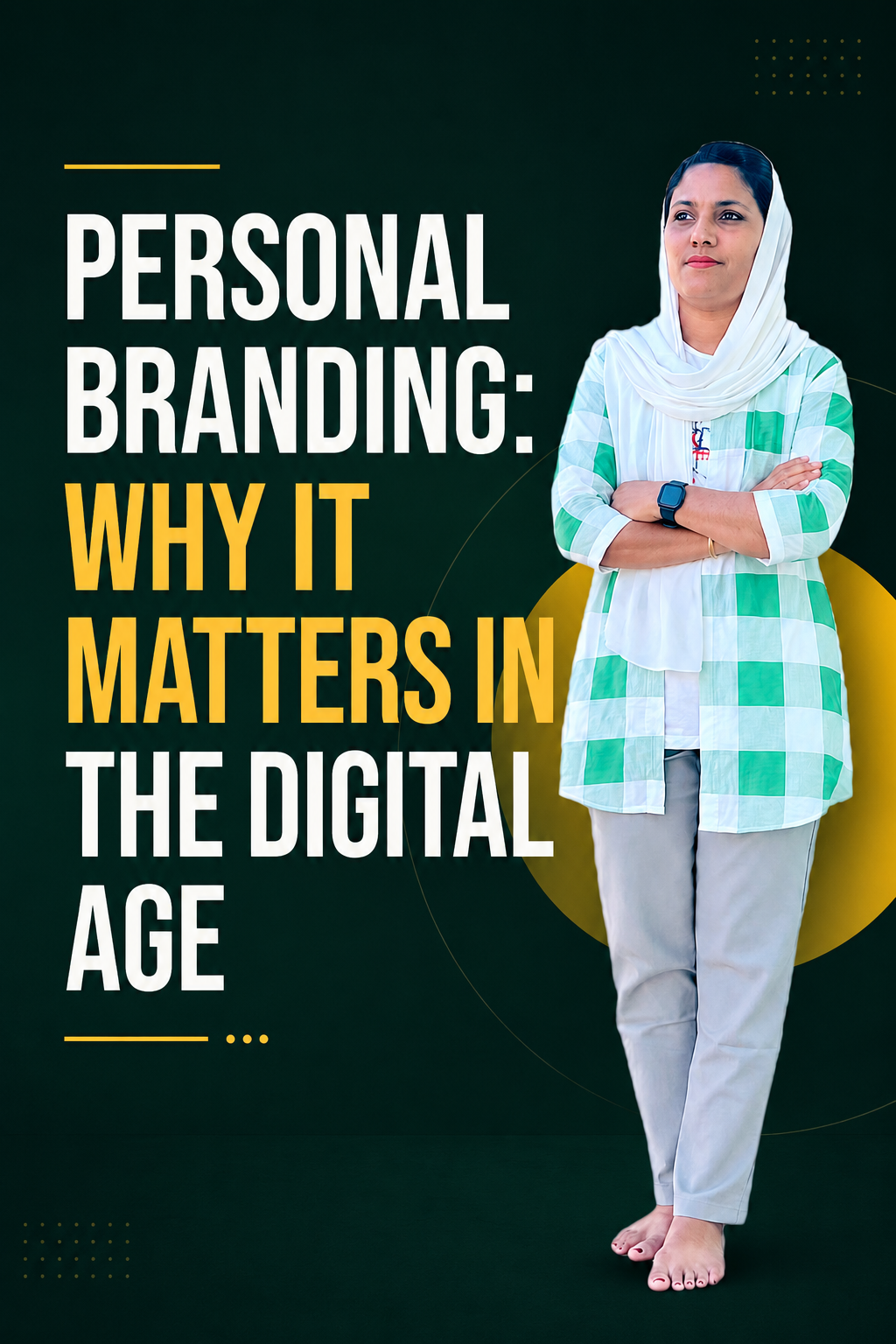
Personal Branding: Why It Matters in the Digital Age
In today’s competitive world, having skills alone is no longer enough. Whether you are a student, entrepreneur, freelancer, or working professional, how people perceive you matters. This is where personal branding becomes important.
Personal branding is the process of creating and managing your professional identity. It is how you present yourself to the world and how others remember you. In the digital era, where people search online before making professional decisions, your personal brand can strongly influence how others view your credibility and expertise.
A strong personal brand helps you create a lasting impression. It allows people to understand your skills, personality, values, and professional strengths. Whether you are applying for a job, building a business, or growing as a freelancer, your personal brand acts like your digital reputation.
What is Personal Branding?
Personal branding is the intentional effort to shape your reputation, values, expertise, and personality in a way that makes you recognizable and trustworthy.
Simply put, your personal brand is the answer to this question:
“What do people think of when they hear your name?”
It includes:
Your skills and expertise
Your communication style
Your online presence
Your values and personality
The content you share
Your professional achievements
The way you interact with people
Personal branding is not only about being popular online. It is about building trust, authority, and authenticity in your field.
Why is Personal Branding Important?
1. Builds Trust and Credibility
People are more likely to connect with and trust individuals who consistently show expertise and authenticity. When you regularly share valuable insights and maintain professionalism, people begin to see you as reliable and knowledgeable.
Trust is one of the most powerful assets in any career or business. A strong personal brand helps people feel confident about working with you.
2. Creates Career Opportunities
A strong personal brand can attract:
Job opportunities
Freelance clients
Business partnerships
Speaking engagements
Collaborations
Networking opportunities
Recruiters and clients often search online before making decisions. A professional online presence can create opportunities even without directly applying for them.
3. Helps You Stand Out
In a crowded market, many people may have similar qualifications and skills. Personal branding helps differentiate you from others.
Your unique experiences, personality, communication style, and perspective make your brand different. People remember professionals who clearly communicate their value.
4. Expands Your Network
When people know what you stand for, like-minded professionals are more likely to connect with you.
A strong brand attracts individuals who share similar goals, interests, and professional values. This can help you build meaningful relationships and collaborations.
5. Increases Confidence and Self-Awareness
Building a personal brand also helps you better understand your strengths, goals, and professional identity. It encourages self-improvement and confidence in your abilities.
Key Elements of Personal Branding
1. Define Your Niche
Identify what you want to be known for.
Examples:
Digital Marketing
Graphic Design
AI & Technology
Finance
Entrepreneurship
Content Creation
Business Coaching
Choosing a niche helps people clearly understand your expertise.
2. Build an Online Presence
Create professional profiles on platforms like:
LinkedIn
Instagram
Twitter/X
YouTube
Personal website or portfolio
Your online presence should reflect professionalism, consistency, and clarity.
Tips for Building a Strong Online Presence:
Use a professional profile picture
Write a clear bio
Showcase your skills and achievements
Share valuable content regularly
Keep your profiles updated
3. Share Valuable Content
Posting useful content helps establish authority and trust.
Examples:
Industry insights
Tips and tutorials
Personal experiences
Case studies
Success stories
Educational videos
Productivity tips
Content sharing demonstrates your expertise and keeps your audience engaged.
Why Content Matters
When you consistently share value, people begin to recognize you as an expert in your field. Over time, this builds credibility and visibility.
4. Be Consistent
Consistency in messaging, visuals, communication, and content builds recognition.
If your audience sees consistent values and quality content from you, they are more likely to remember and trust you.
Consistency includes:
Posting regularly
Maintaining similar communication style
Using consistent visual identity
Staying aligned with your niche
5. Network Strategically
Engage with professionals in your field through:
Comments
Collaborations
Events
Webinars
Online communities
Networking is not only about meeting people. It is about building genuine relationships and providing value to others.
The Importance of Authenticity
Authenticity plays a major role in building a successful personal brand. People appreciate individuals who are genuine and transparent about their journey.
Sharing real experiences, lessons, failures, and achievements can make your brand more relatable and trustworthy.
Instead of trying to imitate others, focus on highlighting your unique strengths and personality. Authenticity creates stronger emotional connections with your audience.
People follow personalities they can relate to, not perfect images.
Personal Branding Through Social Media
Social media platforms have become powerful tools for personal branding in the digital era.
By regularly sharing meaningful content, interacting with your audience, and showcasing your expertise, you can build a strong professional image online.
Platforms like LinkedIn, Instagram, YouTube, and Twitter/X help individuals:
Reach wider audiences
Build authority
Connect with professionals
Share knowledge
Grow communities
Tips for Social Media Branding
Focus on quality over quantity
Engage with your audience
Use professional visuals
Stay active consistently
Share educational and inspiring content
Long-Term Impact of Personal Branding
A strong personal brand creates long-term benefits beyond immediate career opportunities.
Over time, it helps:
Establish authority
Increase visibility
Build a lasting reputation
Attract opportunities automatically
Create business growth
Build leadership influence
Consistent personal branding can also open doors to leadership roles, partnerships, and business opportunities that contribute to long-term success.
Your personal brand becomes a valuable professional asset that continues to grow with time.
Common Personal Branding Mistakes
❌ Trying to impress everyone
❌ Inconsistent online presence
❌ Copying others completely
❌ Sharing content without value
❌ Ignoring audience engagement
❌ Posting without clear goals
❌ Being inactive for long periods
Avoiding these mistakes helps maintain professionalism and audience trust.
How to Start Building Your Personal Brand
Step 1: Identify Your Strengths
Understand your skills, interests, and expertise.
Step 2: Clarify Your Goals
Decide what you want to achieve through personal branding.
Step 3: Optimize Your Profiles
Update your social media and professional profiles.
Step 4: Start Creating Content
Share valuable insights and experiences regularly.
Step 5: Build Genuine Connections
Engage with people authentically and professionally.
Step 6: Keep Learning and Improving
Personal branding is a continuous process. Stay updated with industry trends and keep improving your skills.
Conclusion
In the digital age, your personal brand is your reputation at scale. A strong personal brand can open doors, create opportunities, and help you build long-term professional success.
Personal branding is not about pretending to be someone else. It is about clearly communicating who you are, what you do, and why it matters.
By building authenticity, consistency, and value, you can create a personal brand that leaves a lasting impact.
Investing in your personal brand today is investing in your future.